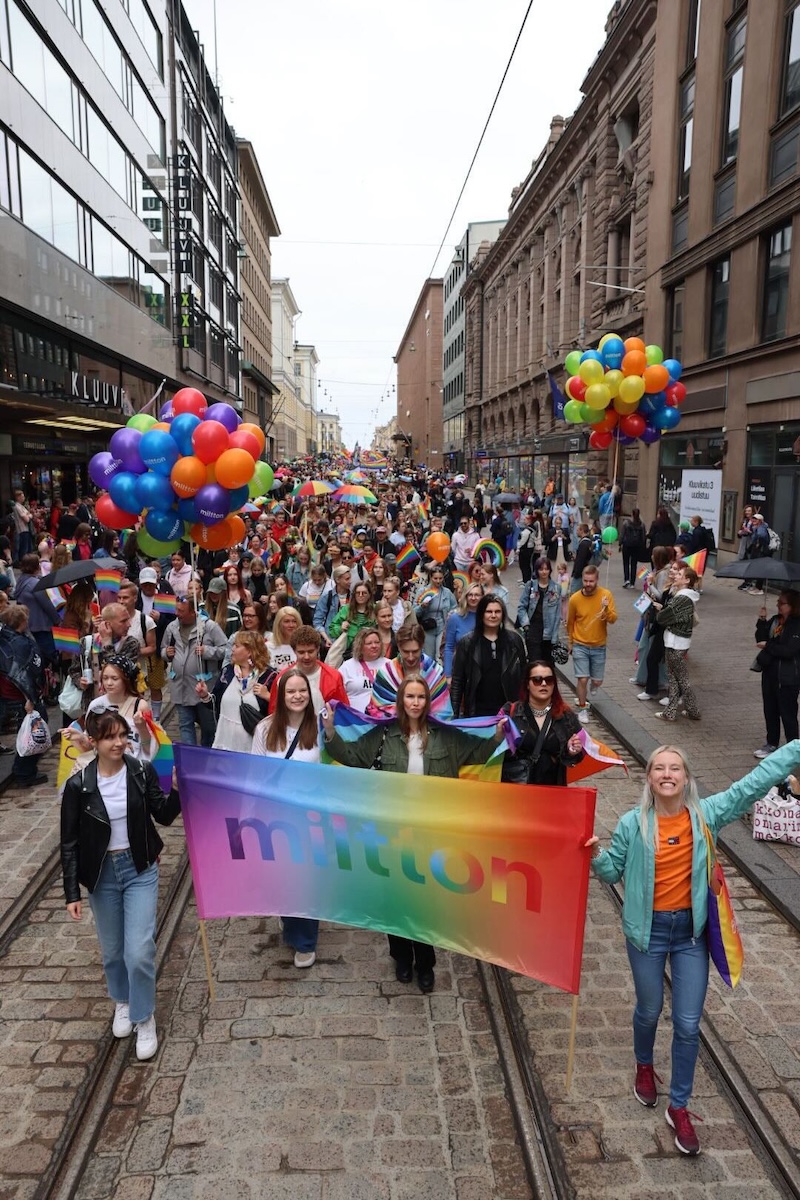
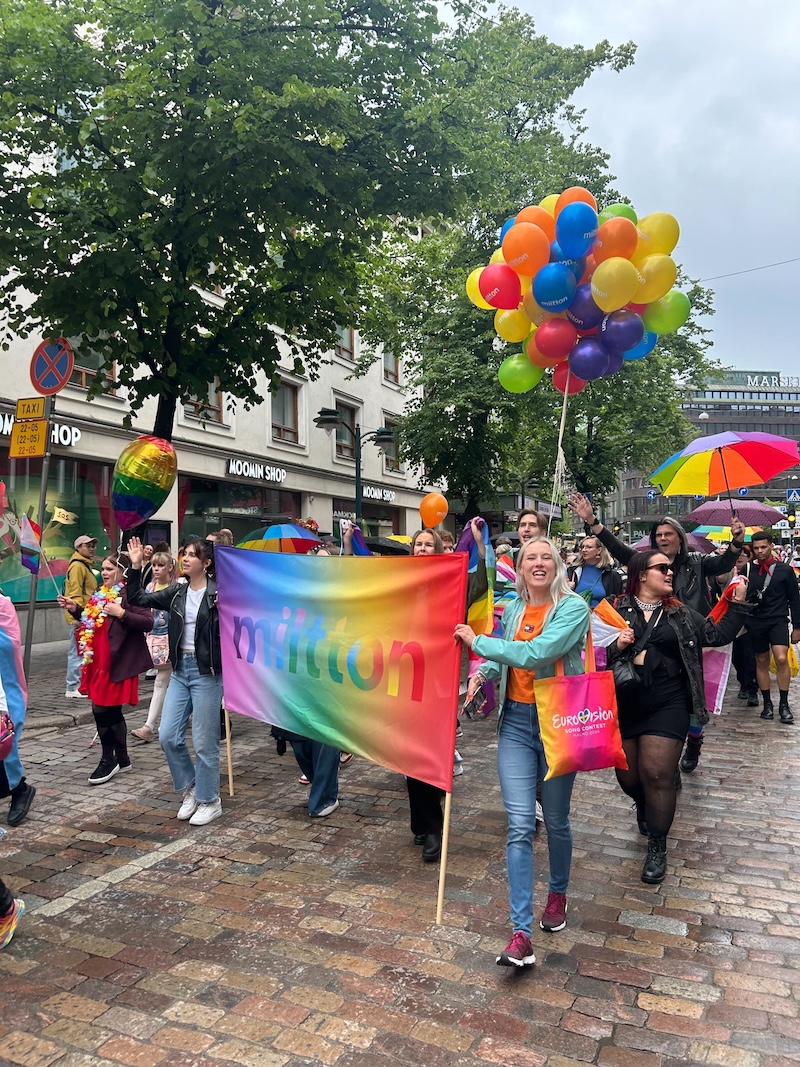
Do you remember when, during Pride Month, we were bombarded with brand logos clad in the colors of the rainbow? When annual reports overflowed with sustainability claims and stock photos of hands holding the planet – leaving barely any room for financial results? When societal movements came so fast you could hardly swap the filter on your Facebook profile picture quickly enough to keep up?
You very well might, because it wasn’t that long ago. And yet, it feels like a different era entirely.
Today, the pendulum has swung.
As societies grow more polarized, brands and organizations have grown much more cautious. Messages that would have been considered safe just a few years ago are now held back, softened, or scrapped entirely out of fear of backlash. Cities quietly lower their Pride flags. Companies “greenhush” their sustainability efforts. Marketers retreat to safer ground: price points, product features, performance claims.
Silence, it seems, has become strategy.
And while many of us grew tired of the noise – the performative gestures, the checkbox activism, the flood of virtue signaling – it’s worth asking: is this really a better alternative?
It isn’t.
Because when brands go quiet on the issues that shape people’s lives, they don’t become neutral. They become ambiguous. And ambiguity, in today’s climate, is rarely interpreted generously.
The business case alone should give pause. Edelman’s 2025 Brand Trust report shows that 64% of people buy, choose, or avoid brands based on their beliefs about societal issues. Even more telling: one in two assumes the worst when a brand says nothing at all.