10 Mar 2026 Blog Kaius Niemi, Kristiina Helenius

Greenland 2026: understanding a place the moment it becomes impossible to ignore

Greenland has moved from the geopolitical periphery to the centre of global attention faster than almost anyone expected. In this blog, Kaius Niemi and Kristiina Helenius reflect on what they witnessed firsthand in Nuuk, where great‑power politics, climate change and local realities now intersect with growing intensity. Their account shows why developments in the Arctic are now a strategic reality that Nordic leaders and businesses can no longer afford to ignore.

Share

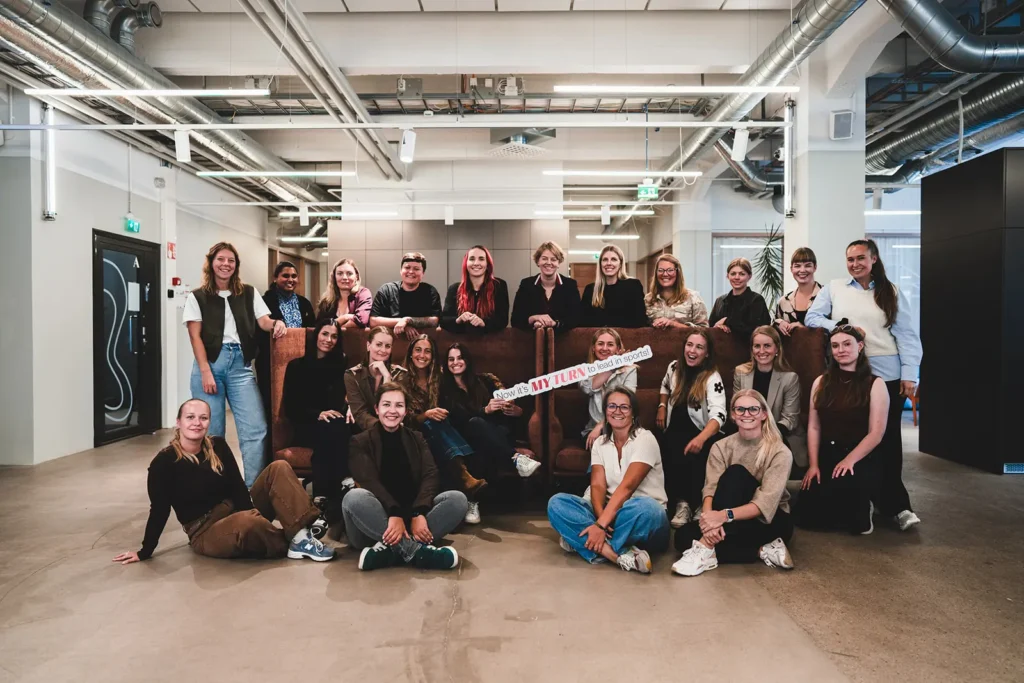
Over the past months, Greenland has dominated global headlines more than ever before. Geopolitics, strategic competition, shifting trade routes, climate and great‑power attention have pushed the Arctic from the margins into the mainstream. What happens in the world affects your business and your company, which is why we brought a Nordic business delegation to Nuuk for an intensive study tour exploring geopolitics, climate science, economic development, and local governance.

When our Nordic business delegation arrived in Nuuk in early March, the mood on the island was still raw. Greenlanders were shaken after what scholars have called the darkest hour in NATO’s 81-year history. “Geopolitics have been our reality for 80 years,” says Naaja Nathanielsen, Greenland’s Minister of Business, Mineral Resources, and Justice, when we met on March 6. “What is new is the global spotlight.”

That spotlight arrived abruptly in January, when President Donald Trump revived an idea, he has floated since 2019. “We need Greenland from the standpoint of national security.” The reaction was swift. European governments rejected the proposal outright, Denmark warned that any breach of its sovereignty would unravel NATO, and even Republicans in Washington called the idea a step too far. The crisis eased only after Trump reassured the audience in Davos in January that the United States would not annex Greenland.

What became clear over the course of our days in Nuuk is that Greenland is no longer a remote backdrop to world affairs, it is becoming a stage of its own. For leaders trying to understand how geopolitical shifts will shape markets, supply chains and competitive landscapes, the Arctic is moving from a hypothetical to a strategic reality.

Greenland is feeling the weight of global attention

Naaja Nathanielsen described a country increasingly pulled into the gravitational field of major‑power competition. External interest is not new, however. Greenland’s position between the United States and Russia has always made it strategically relevant. What is new is the intensity, the visibility and the speed at which global actors are turning their eyes north. For Greenland, this means preparing for multiple geopolitical scenarios while trying to remain open to cooperation and long‑term investment.

Minerals offer opportunity but also require realism

Much of the world’s interest is concentrated on critical minerals essential for the green transition. Greenland is believed to hold promising deposits, but the minister was clear: mining is slow, complex and requires patience. A realistic outlook is five or six operational mines in the next 10–20 years, not dozens. For European supply chains—especially Nordic ones—this measured but steady development could become strategically significant over time.

Nordic companies have a role to play

According to Christian Keldsen from the Greenland Business Association, companies from Finland and the Nordics are well positioned. Mining technology, Arctic engineering, energy, infrastructure, digital services and even defence‑related capabilities may all find openings. But Greenland is a relationship‑driven society. The most successful foreign companies will be those that partner locally, commit to long‑term collaboration, and see Greenland not as a frontier, but as a community.

Nuuk shows the human side of geopolitical change

Nuuk’s mayor, Avaaraq Olsen, reminded us that global headlines only tell half the story. Nuuk is a rapidly growing Arctic capital where modern life intersects with deep tradition: hunting seasons still shape family calendars, and celebrations bring relatives together despite long distances and expensive travel. Growth is bringing opportunities, but also pressures, especially on young people navigating between traditional identity and urban life. These societal dynamics matter, because any economic development in Greenland must be grounded in community wellbeing.

Canada’s message was clear: the Arctic is home first

Canada’s acting consul Julie Crôteau emphasized that the region cannot be viewed purely through a resource or security lens. Inuit communities in Greenland and Canada remain closely connected across borders, and climate change is reshaping their daily lives faster than almost anywhere else on Earth. For Canada, Greenland is an emerging partner in Arctic economic development, but one where environmental standards, indigenous rights and long‑term stability must be at the core.

A region once defined by cooperation is now defined by competition

The Arctic has shifted onto a geopolitical fault line. Russia’s war in Ukraine, renewed U.S. attention and interest from non‑Arctic states have all raised tensions. Early 2026 brought rhetoric that created real anxiety in Nuuk about potential escalation. The Arctic is no longer seen as a remote, cooperative zone, it is increasingly treated as a strategic arena.

What this means for Nordic leaders

Greenland’s moment is not just about Greenland. It is about the global system that Nordic companies operate in: supply chain resilience, geopolitical signalling, climate risk, strategic alliances and the reordering of trade flows. Understanding the Arctic is part of understanding the world your business is stepping into.

Why Miltton goes first

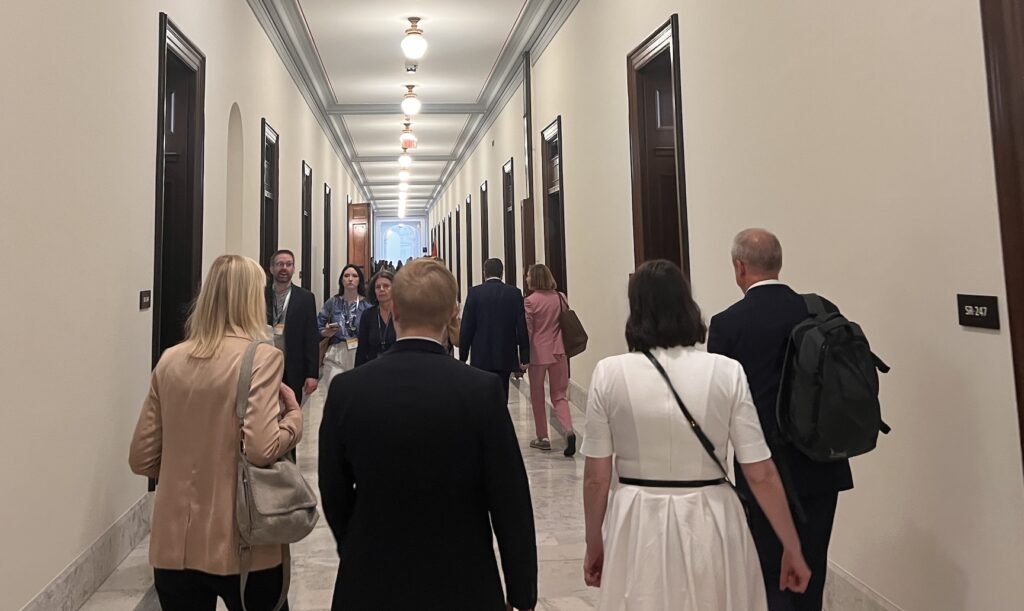
At Miltton, we believe that the only way to truly understand geopolitics is to stand where it is unfolding, whether that is Washington, Brussels, Kyiv or now Nuuk. We bring our clients to the places that matter early, while signals are still weak and before narratives harden. This is how we help leaders anticipate, adapt and stay ahead.

Interested?

Let’s talk more!