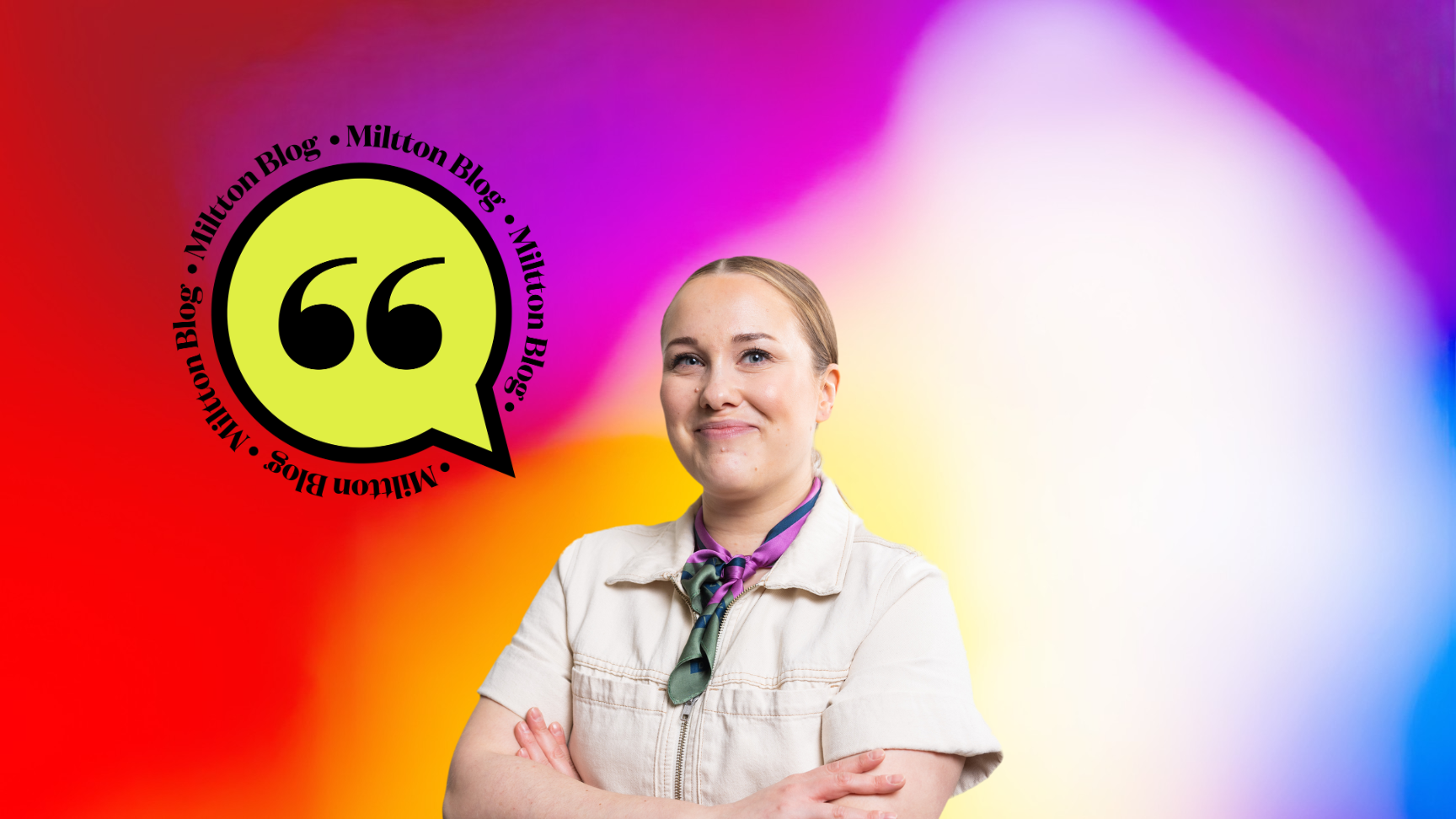
20 Nov 2026 Blog Tuuli Ekman, Business lead, Director, PR & social media

Trust capital: the hottest currency of the future

When drafting the 2027 marketing plan the first question is often “do we have enough creative distinctiveness?”. Tuuli Ekman argues that the second should be: “do we have a sufficient arsenal for building trust capital?”

Share

AI solved one of marketing communications’ oldest problems: producing content became astonishingly easy. At the same time, it created a new one.

When almost anyone can instantly produce decent text, images, video, insights and variations, being decent no longer sets anyone apart. The more we produce, the more generic, similar content surrounds us.

AI slop is a rather ugly term, but it describes the phenomenon well. There is more content than ever, but not necessarily any more reasons to stop and engage with it.

That is why creativity, earned media, influencers, communities and physical experiences that further live on in social media are all rising at the same time.

They look like separate trends, but they share a common denominator: trust capital.

Internationally, people are already referring to the term in public conversations. It is an intangible asset that communications and marketing should be able to build and manage far more systematically than today – as a shared priority of the brand.


Attention is not the same as value

In marketing and PR we know how to measure visibility. We know impressions, reach, engagement, share of voice and conversions.

The harder question is what happened in our target audience. Did the brand become more recognizable, credible or interesting? An easier choice? Would I dare to recommend it? Do I trust it, and will I keep favoring the brand even when its reputation wobbles?

These are questions of trust capital. And they become commercially more interesting precisely because trust is a diminishing resource.

The 2026 Edelman Trust Barometer describes the world retreating into ever smaller circles of trust. The key finding for brands is this: voices other than the brand’s own carry more weight. Customers, peers, advocates, experts and reviewers make a brand’s claims credible.

A company can therefore no longer simply say it is something. Someone else has to believe it and want to share it onward. Growth, trust and relevance go hand in hand.

This is one reason why many brands have shifted to earned-first or social-first thinking, closely tracking the conversation they generate, how people join in on phenomena and what gets shared – in other words, the activity that actually has results. (These investments also pay off in AI visibility, since content created in the same channels shapes the answers and recommendations that AI produces.)

An investment led by creativity

Let’s take a quick detour into creativity, because creative campaigns that generate appeal and the building of trust capital work best hand in hand.

If technology produces mediocrity quickly and cheaply, the human added value lies in insight, taste, cultural understanding, courage and surprise. Finding an angle the next brand cannot prompt.

In the age of AI, creativity is business distinctiveness, and it should also be managed as a key investment. Not by asking afterwards whether the campaign worked, but already before investing: how ownable is the idea? Can you recognize the brand from it without the logo? Does it evoke a feeling? Does it generate conversation? Does it have earned-visibility potential?

Then creativity is not decoration for a campaign, but a conscious investment in differentiation.

But this is only half of the 2027 equation

Trust capital, however, is not built on creative appeal alone. It is earned by what the freed-up resources should be directed to: people and stakeholders.

As the volume of generic content grows, building trust must be managed as systematically as campaigns. I see three particularly interesting levels:

  1. A new kind of personal profiling for experts
    Algorithms support the visibility of individuals, and a company’s own experts become stronger trust builders than corporate or brand-led communications. Technology helps experts identify trends and lightens content production.
  2. Strategic influencer marketing and creators
    Influencers keep being one of the central sources of trust-bulding and they, at the same time develop their own brands into a more authentic direction so that audience trust is retained. Theme-driven accounts, where a person may not appear at all, are also an interesting phenomenon. Even so, we trust the curation and choices made by the human behind the account more than we trust brands.
  3. Experiential marketing directly to the target audience 
    Genuine encounters and experiences shared by real people make a brand more tangible and credible. Everyone is a potential content creator and advocate – an authentic voice, from the existing circle of trust identified in Edelman’s research, speaking for the brand.

This is, then, about managing advocates at different levels. Trust capital is not created in a single campaign, but as a long-term investment that is often shared and managed across several teams.

At a minimum, annual planning should recognize which actions grow trust capital and ensure there are enough of them. The pioneers turn the entire marketing funnel upside down and direct their largest investments to growing trust capital.

Then PR, influencer marketing, thought leadership, expert visibility, experiential marketing and events are no longer viewed as separate activations. They are different ways of building the same intangible asset: trust capital.

Three questions for 2027

  1. Do we really stand out?
    Are we measuring creative distinctiveness, or is too much of the budget going to basic activity that we imagine sets us apart?
  2. Who vouches for our claims?
    Is there a sufficient network of media, experts, influencers and communities around us building credibility with us?
  3. Is our trust capital growing?
    Are we managing the building of trust, or are we still mostly measuring how many people saw us?

The next competitive advantage is not attention. It is who we believe in the typhoon of content.

Interested?

Let’s talk!