16 Jun 2026 Blog Kristiina Äikäs, Nora Kolari

London brand diaries, chapter 1: Taste test for brands that stick

In our first London brand diary, Nora Kolari and Kristiina Äikäs dive into a museum of brand – and come out with a sharp reminder: the brands that stick aren’t the safest or simplest, but the ones bold enough to stay distinct, evolve with culture, and take creative risks.

Share

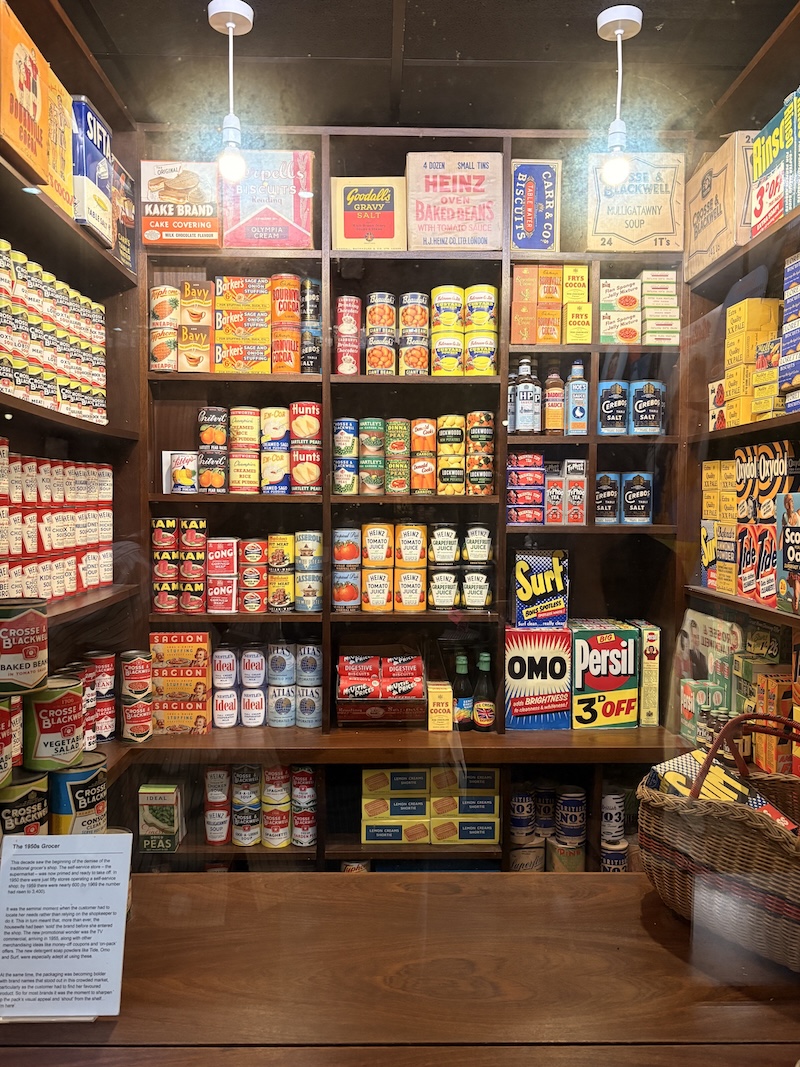
We walked straight into the lion’s den, museum dedicated entirely to brands. But we walked out, heads full of packaging, campaigns, and the sheer audacity it takes for a brand to exist across decades. If you want to understand where branding is going, it turns out, you have to go back.

Here’s what the shelves taught us.

1. The ones that stuck weren’t always the prettiest, but they were always the most committed.

In today’s brand discourse, restraint is often equated with sophistication. Minimalism, simplification, and reduction have become the markers of discipline. History begs to differ.

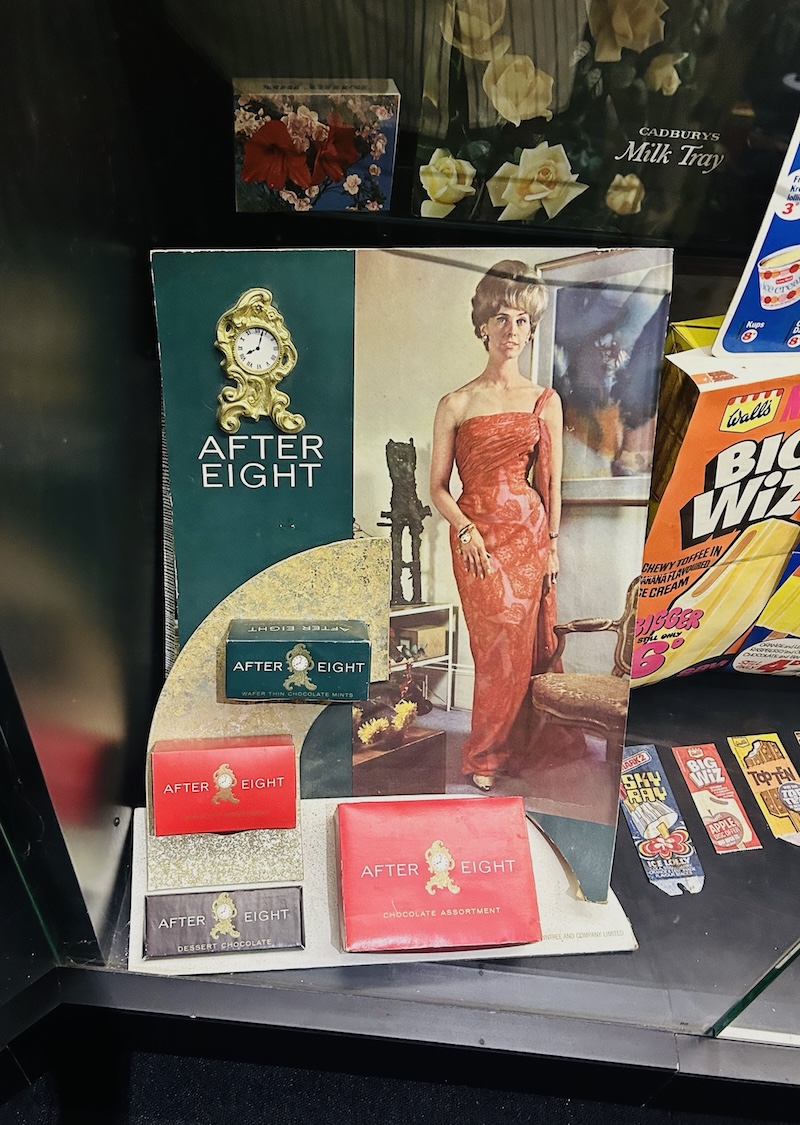
The brands that endure rarely win by extreme reduction alone. They carry distinctive, even idiosyncratic elements, visual cues, tones, characters, that remain recognizable despite changing contexts. Take After Eight, born in the 1960s, at the height of flashy, colorful, loud packaging competing for attention, After Eight made the opposite choice: dark green, elegant, quiet. Not because minimalism was trending. Because it understood exactly who it was speaking to and had the confidence to speak differently. That contrast was the message.

What makes enduring brands powerful is the audacity to fully commit to a point of view and repeat it until the world has no choice but to remember you.

After Eight has looked like After Eight since 1962.
Different strategies, same result: you know exactly what you're looking at.

2. They didn’t ignore their time, they documented it.

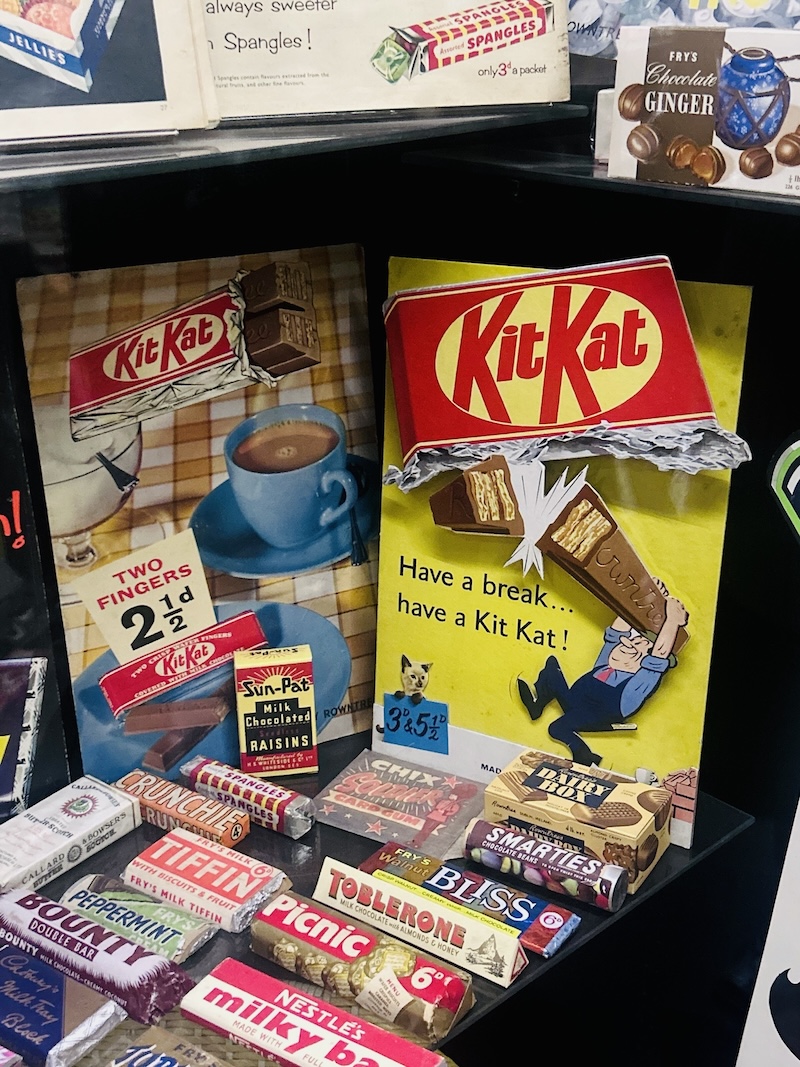
Many of the most successful brands have actively leaned into trends. From typography to color palettes to packaging formats, they participated in the visual language of their time, surfing the aesthetics of each decade without ever losing what made them recognizable.

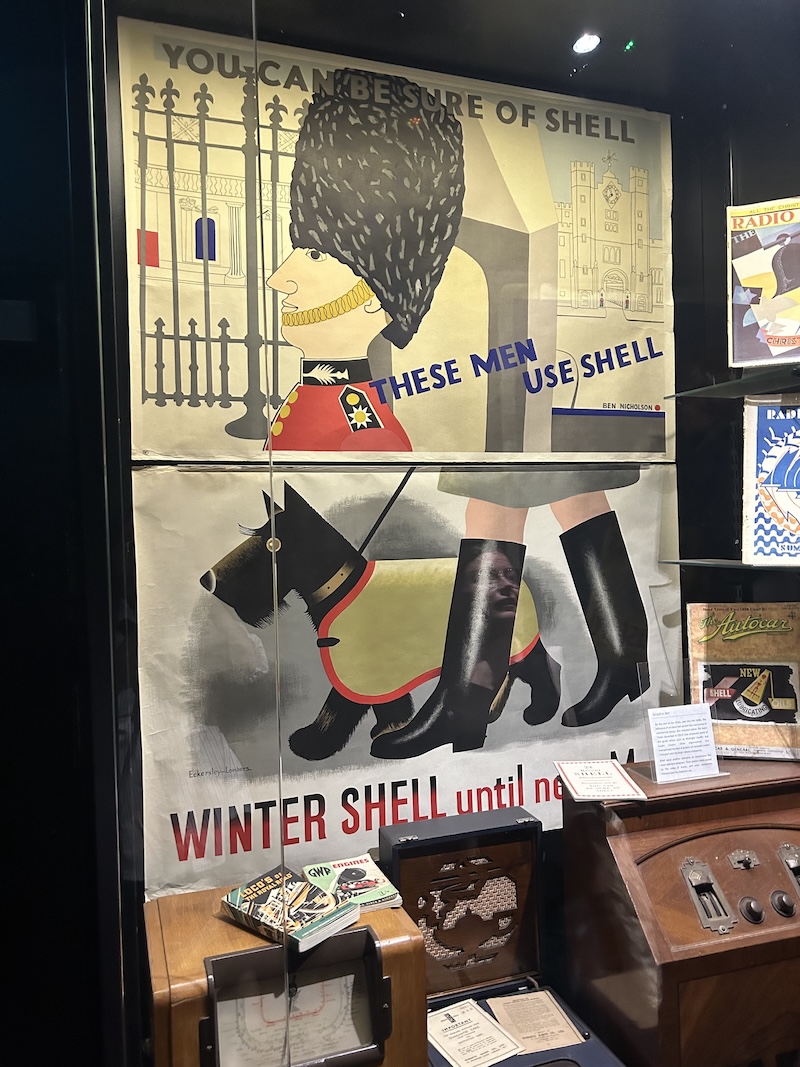
Today there is often a sense that serious brand building requires distance from trends. Following them can be seen as reactive, even risky. But trends are signals of cultural movement. They reflect how people see, feel, and interpret the world at a given moment. The brands that understood this didn’t sell products but documented their era so precisely that decades later, a Cadbury’s wrapper or a Shell poster doesn’t evoke a brand but a world. People might engage at the time and feel nostalgia later. To make that possible, that’s craft.

The consultancies, the tech firms, the professional services brands that feel dated today shouldn’t be blamed for not following trends. That’s not fair. They failed because they stopped reading the room entirely. The ones that endure know when the culture has shifted and move accordingly, without abandoning what makes them distinct. In B2B, that distinctiveness is often a point of view, a way of speaking, a consistent intellectual position. It might be harder to spot than a chocolate wrapper but let us just put it out there: just as sticky when done right!

A century of culture, one instantly recognizable brand. Participation without surrender.

3. Humour never went out of style. Neither did a good wordplay.

This is where brand leadership requires bravery. The bravery to hold on to distinctive elements even when every trend pushes toward restraint, and the bravery to be occasionally, deliberately brilliant.

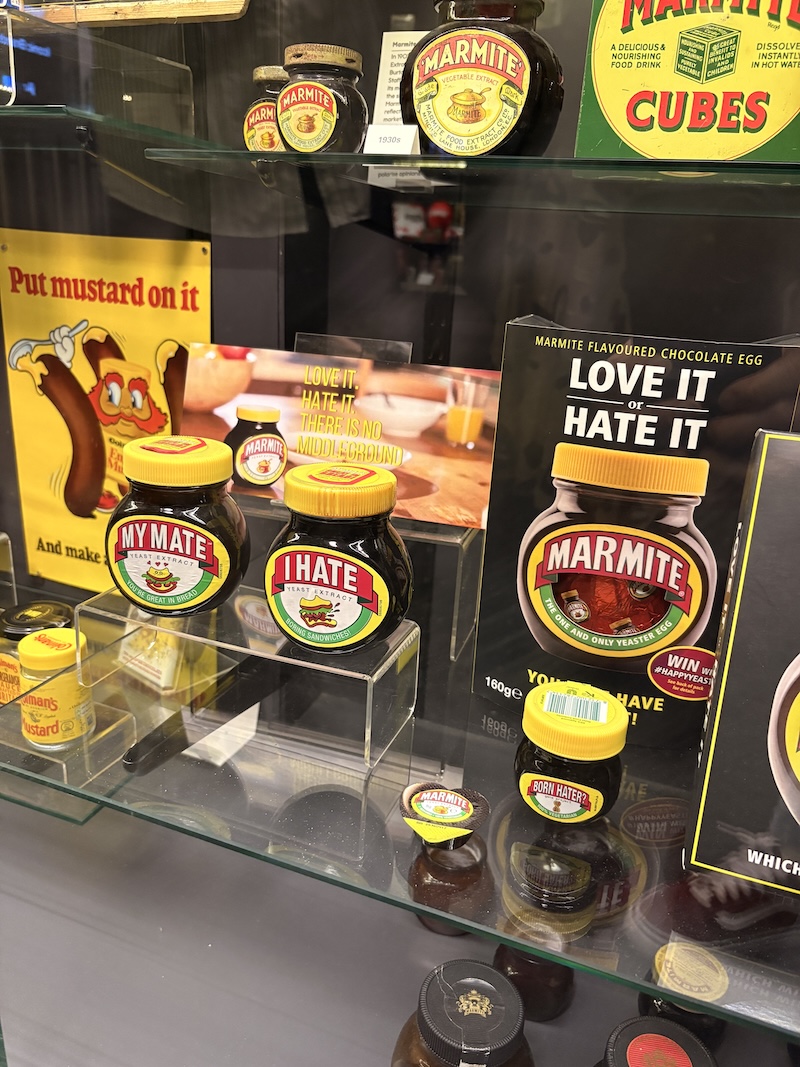
“My Mate.” “I Hate.” Two Marmite jars and one genius move to them sitting side by side. That instinct for wit, for timing, for knowing your audience well enough to wink at them, is something no amount of brand guidelines can manufacture. The brands that break through are the ones with the nerve to have a personality, to take a position and to say something that makes a CFO or a procurement director actually remember them in a meeting two weeks later.

If you read the entire blog post or didn’t at all, be so kind and just remember this, friends: never ever cease taking creative risks, just do it without losing coherence. The brands that figured that out are still here.

London is still on the line so watch out for more remarks from our small team of brand nerds.

Interested?

Let’s talk more!