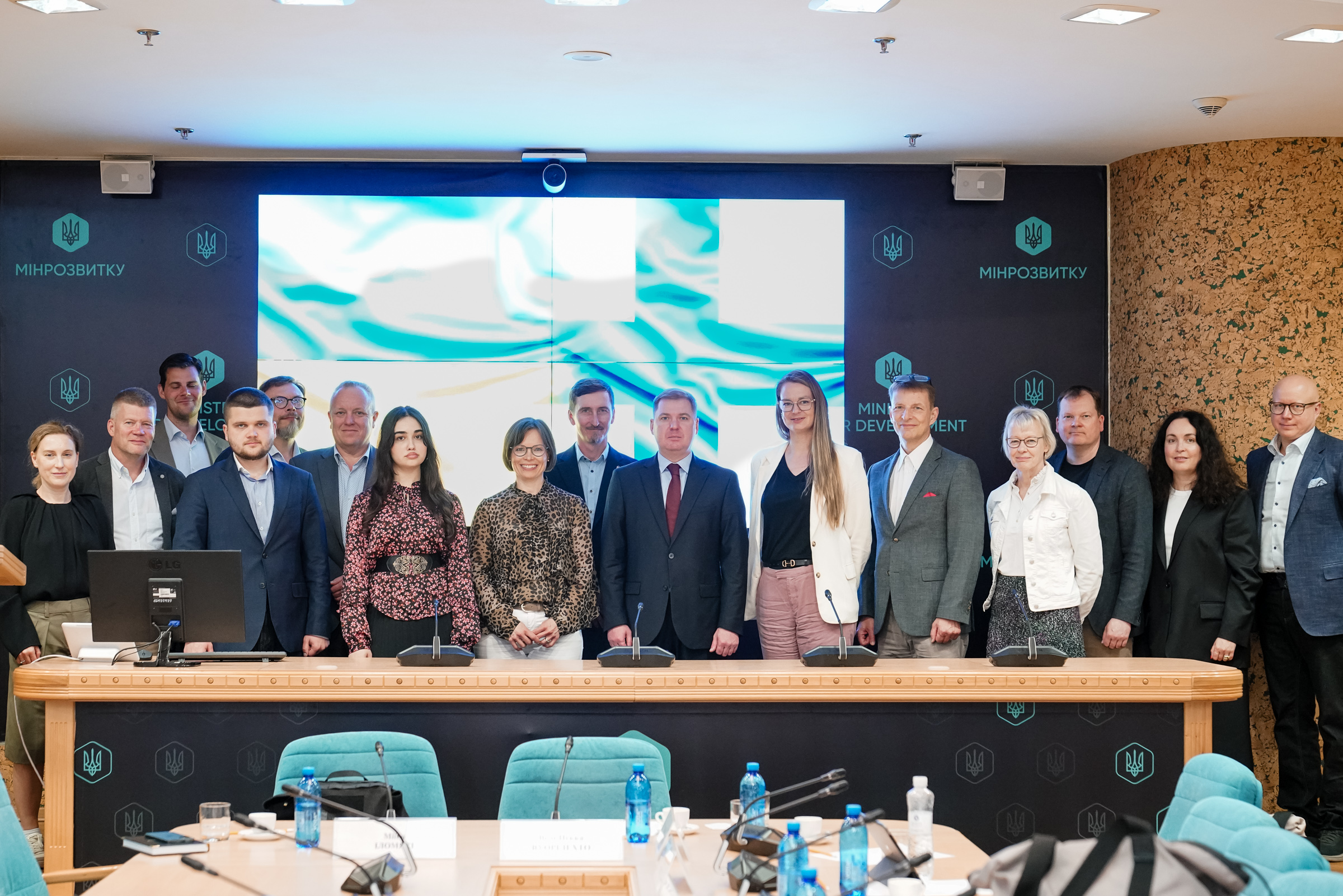
The visit was facilitated by Miltton Ukraine as part of an ongoing programme supporting cooperation and knowledge exchange between Finnish and Ukrainian stakeholders on resilience, preparedness and crisis response.
The delegation was led by Heli Tammivuori of NESA, Finland’s authority responsible for security of supply, strategic reserves and national preparedness. Participants included representatives of the Ministry of Agriculture and Forestry of Finland, Finnish Food Authority, HSY (Helsinki Region Environmental Services Authority), Hartwall, Suomen Viljava and SOK Group.
This study visit builds on a series of previous Finnish delegations to Ukraine focused on key components of societal resilience, including energy security, logistics, cybersecurity, critical infrastructure protection, construction and recovery, etc. Food and water resilience were selected as the next thematic focus due to their critical role in maintaining societal stability during crises.
Throughout the visit, the delegation met with a broad range of Ukrainian public and private sector stakeholders to gain first-hand insights into how Ukraine maintains the continuity of food production, food safety systems, water infrastructure and critical supply chains under wartime conditions.
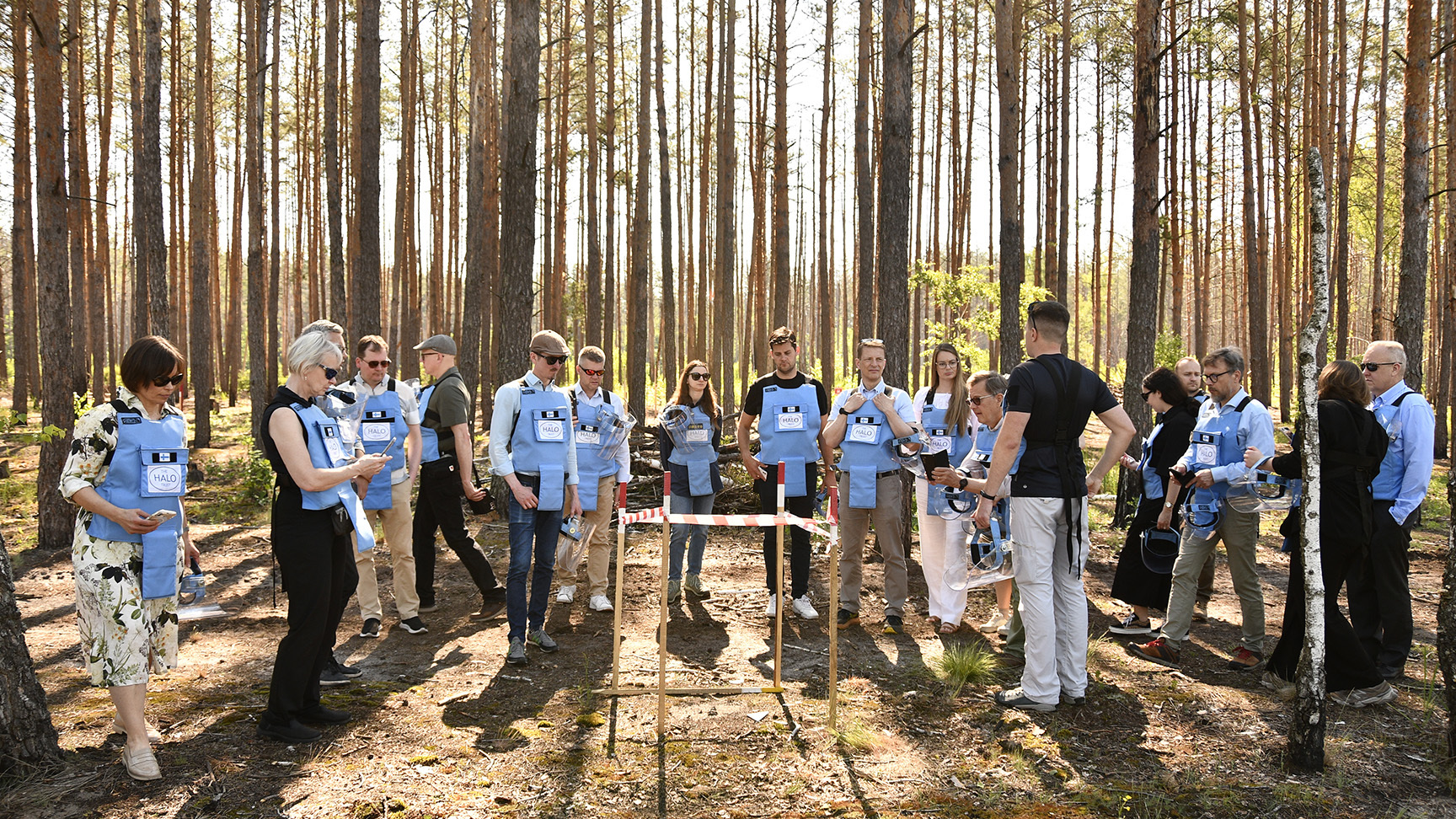
Over three intensive days, the delegation met with representatives of Ukrainian government institutions, regulatory authorities, water utilities, food producers, retailers and humanitarian organisations. The programme included meetings with the Ambassador of Finland to Ukraine, the Ministry for Communities and Territories Development of Ukraine, the State Service of Ukraine on Food Safety and Consumer Protection, Carlsberg Ukraine, Fozzy Group, MHP, Ecosoft, Kernel, Terrafood, the Ukrainian Water Association, regional water utilities and The HALO Trust.